Animal nutrition · the basics
Protein & Amino Acids
Understand the building blocks, the shortest stave, and why a crude-protein percentage is only a starting point.
For poultry, horses, cattle, sheep, and goats. Other species need separate guidance; examples are labeled by species.
In this guide
Protein is made from amino acids
Poultry use amino acids to build body proteins and support metabolism. Essential amino acids must be supplied adequately; nonessential ones can be made by the animal, but their supply still matters. “Nonessential” does not mean unnecessary. [1]
Crude protein is usually estimated from nitrogen using a conversion factor. Oklahoma State’s laboratory commonly uses 6.25, with a different convention for wheat. Nitrogen can also occur outside true protein, so CP does not identify the individual amino acids or measure their digestion. [2]
The limiting amino acid: the shortest stave
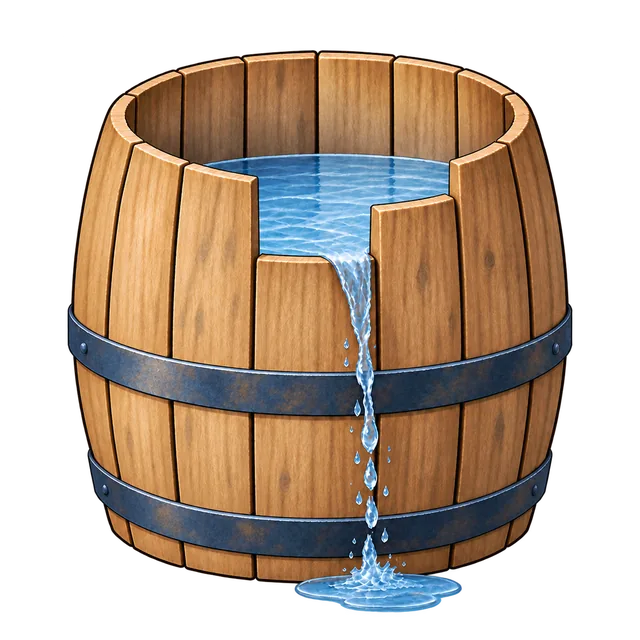
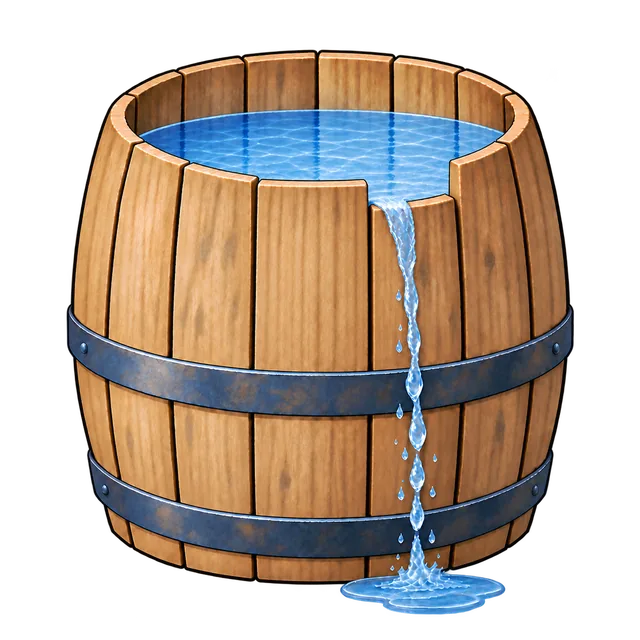
1 · Shortest stave
When an essential amino acid is short relative to need, more of a different one cannot replace it.
2 · Next limit
Correcting that shortage may expose the next constraint.
Surplus amino acids can supply energy after nitrogen is removed; they are not simply useless. [1]
Real metabolism is interconnected: energy, total nitrogen, and nonessential amino acids also matter. The barrel shows essential-amino-acid balance, not promised performance. [1]
Ruminants have another step
In cattle, sheep, and goats with functioning rumens, microbes use dietary nitrogen and make microbial protein. Some dietary protein escapes rumen breakdown. Microbial protein and this bypass protein then reach the stomach and small intestine for digestion and amino-acid absorption. The barrel applies to that resulting supply, not directly to amino acids listed in the bag. [3]
For horses and poultry, total-tract protein disappearance can conceal what happens after the small intestine. Microbial changes in the hindgut do not establish absorbed essential-amino-acid supply. The site and method of a digestibility measurement matter. [7]
Choose protein advice for the right species
Urea is non-protein nitrogen. Oklahoma State advises against feeding it to poultry or horses. Its use in ruminant feeds is a formulation decision requiring qualified guidance, not a way to copy a protein percentage at home. [4]
Excess non-protein nitrogen can cause rapidly fatal ammonia poisoning, including in ruminants. Keep fertilizers and inappropriate feeds away from animals, and seek urgent veterinary help for suspected exposure. [5]
Horses must not receive monensin-containing feed: monensin is toxic to them. Shared feed storage and feeding equipment need attention when different species are kept together. [6]
Ask about the supply the animal can use
Ask: which species and stage is this feed designed for? What supports its amino-acid formulation? Is the evidence about actual digestion, a label guarantee, or an estimate? Bring the whole feeding plan to our nutritionist before adding individual amino acids.
Sources
Original Tucker Milling guide, informed by these primary sources. The cited institutions do not endorse Tucker Milling. Follow the current product label.
-
Protein and Amino Acid Requirements for Poultry ↩
Concepts; historical requirement tables not reproduced. Accessed October 8, 2026.
-
Procedures Used by OSU Soil, Water and Forage Analytical Laboratory ↩
Accessed October 8, 2026.
-
Accessed October 8, 2026.
-
Considerations for the Use of Urea for Cattle ↩
Page 4; avoidance advice only. Accessed October 8, 2026.
-
Nonprotein Nitrogen Toxicosis in Animals ↩
Accessed October 8, 2026.
-
Is Rumensin (sodium monensin) harmful to my horse? ↩
Accessed October 8, 2026.
-
Measurement of Feed and Nutrient Utilization ↩
Accessed October 8, 2026.